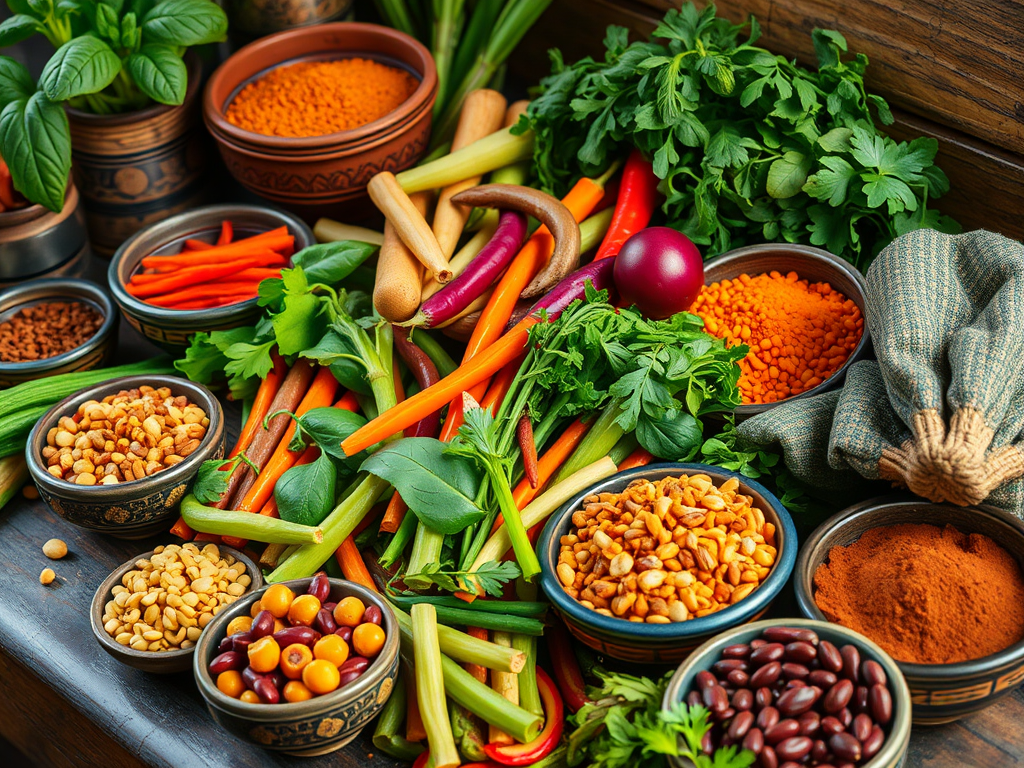
In recent years, plant-based diets in India have gained massive momentum—not just among fitness enthusiasts or environmental advocates, but across everyday households seeking healthier, more sustainable lifestyles. As the country blends ancient vegetarian traditions with modern nutritional science, the plant-based movement is evolving into a national trend.
Whether you’re considering making the switch or are simply curious about the benefits, this guide will walk you through the rise of plant-based eating, its health advantages, and some easy-to-make vegetarian recipes to get started.
Why Is Plant-Based Eating Gaining Popularity in India?
India has always had a strong cultural and religious foundation in vegetarianism, especially among Hindu, Jain, and Buddhist communities. However, the modern plant-based diet goes beyond traditional vegetarianism—it eliminates all animal products, including dairy and honey, and focuses on whole, unprocessed plant foods.
Key reasons for its growing popularity include:
- Rising health awareness and lifestyle diseases
- Concern over animal welfare and environmental sustainability
- Global influence from celebrities and athletes promoting plant-based living
- Growing availability of plant-based products and restaurants across Indian cities
Health Benefits of a Plant-Based Diet
The shift to a plant-based diet in India has been backed by science. Here are the top benefits:
1. Improved Heart Health
Plant-based foods are naturally cholesterol-free and rich in fiber, which lowers the risk of heart disease. A diet rich in fruits, vegetables, legumes, and whole grains helps reduce blood pressure and improves blood flow.
2. Weight Management
Whole plant foods are low in calories and high in fiber, keeping you full for longer. This aids in weight loss and helps maintain a healthy body weight without calorie counting.
3. Lower Risk of Diabetes
Studies show that those who follow plant-based diets are less likely to develop type 2 diabetes. The high fiber and low glycemic index of plant foods help regulate blood sugar levels.
4. Better Digestion
A high intake of dietary fiber promotes gut health and improves digestion. It also helps prevent constipation and other digestive disorders.
5. Reduced Inflammation
A plant-based lifestyle reduces inflammatory markers in the body, which can lower the risk of chronic diseases like cancer, arthritis, and autoimmune conditions.
Easy & Delicious Vegetarian Recipes to Try
Switching to a plant-based lifestyle doesn’t mean sacrificing flavor. Here are a few simple, traditional vegetarian recipes that are naturally plant-based and perfect for healthy eating:
1. Chickpea Curry (Chana Masala)
Rich in protein and spices, this North Indian classic is hearty and satisfying.
Ingredients: Chickpeas, tomatoes, onion, garlic, ginger, garam masala
Tip: Serve with brown rice or roti for a wholesome meal.
2. Vegetable Stir-Fry with Tofu
This is a colorful, quick dinner option loaded with nutrients.
Ingredients: Broccoli, bell peppers, carrots, tofu, soy sauce, garlic
Tip: Use sesame oil for a richer flavor.
3. Moong Dal Khichdi
Comfort food that’s easy on the stomach yet nutrient-dense.
Ingredients: Moong dal, rice, turmeric, cumin, veggies (optional)
Tip: Add ghee alternatives like coconut oil for richness.
4. Vegan Masala Dosa
A crispy South Indian crepe filled with a spicy potato mixture.
Ingredients: Fermented rice and urad dal batter, potatoes, mustard seeds, curry leaves
Tip: Pair with coconut chutney and sambar.
5. Fruit & Nut Smoothie Bowl
A refreshing breakfast or snack packed with plant-powered nutrients.
Ingredients: Bananas, berries, almond milk, chia seeds, nuts
Tip: Top with granola or flaxseed for added crunch.
How to Start Your Plant-Based Journey in India
If you’re new to plant-based living, here’s how you can transition smoothly:
- Start Slow: Begin with 2-3 plant-based meals per week.
- Explore Indian Staples: Use lentils, legumes, rice, millet, and vegetables as the foundation.
- Replace Dairy: Try almond, oat, or soy milk; use coconut yogurt.
- Read Labels: Check for hidden animal products in packaged food.
- Plan Your Protein: Include tofu, tempeh, dals, quinoa, and chickpeas for adequate protein intake.
Final Thoughts
The plant-based diet in India is more than a trend—it’s a return to roots blended with global awareness of nutrition, sustainability, and compassion. Whether you’re driven by health, the environment, or ethics, plant-based eating offers a path to healthy eating without compromising taste or tradition.
With delicious vegetarian recipes, accessible ingredients, and growing support from the food industry, there’s never been a better time to embrace this lifestyle.


 World Market Trends
Leave a comment