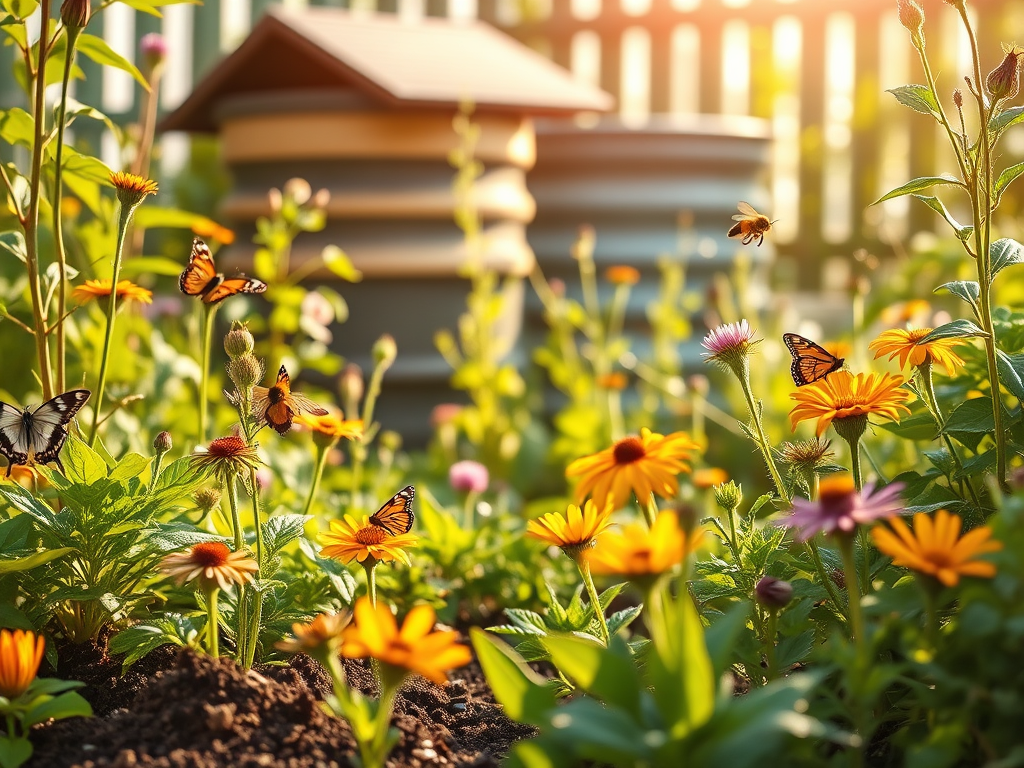
As the world becomes increasingly aware of climate change and environmental preservation, eco-friendly gardening is gaining momentum. Sustainable gardening practices not only help protect the planet but also create healthier, more vibrant outdoor spaces. Whether you’re a seasoned gardener or a beginner, adopting eco-friendly methods in 2025 can make a significant impact on your garden and the environment.
Why Choose Eco-Friendly Gardening?
Eco-friendly gardening focuses on reducing harm to the environment while promoting biodiversity and soil health. It minimizes waste, conserves water, and reduces the need for chemical fertilizers and pesticides. By choosing sustainable gardening practices, you contribute to cleaner air, healthier soil, and thriving ecosystems.
Top Sustainable Gardening Practices for 2025
1. Composting Organic Waste
Composting kitchen scraps, garden clippings, and leaves reduces landfill waste and produces nutrient-rich soil amendments. Using compost enhances soil structure, retains moisture, and provides essential nutrients, reducing reliance on synthetic fertilizers.
2. Water Conservation Techniques
Water scarcity is a growing concern. Implementing water-saving methods like drip irrigation, rainwater harvesting, and mulching helps conserve water. Mulch also keeps soil cool, reduces evaporation, and suppresses weeds, creating a more sustainable garden environment.
3. Native Plant Selection
Choosing native plants supports local wildlife, including pollinators like bees and butterflies. Native species are adapted to local climate and soil, requiring less water and maintenance. This results in a resilient and eco-friendly garden that thrives naturally.
4. Organic Pest Management
Avoid chemical pesticides by encouraging beneficial insects like ladybugs and praying mantises, using natural repellents, and practicing crop rotation. Organic pest control helps maintain biodiversity and keeps your garden safe for children, pets, and pollinators.
5. Reducing Lawn Size
Lawns require significant water, fertilizers, and mowing, contributing to carbon emissions. Consider reducing lawn areas in favor of wildflower meadows, edible gardens, or native ground covers. These alternatives provide habitat and require fewer resources.
6. Sustainable Tools and Materials
Opt for gardening tools made from recycled or sustainable materials. Using hand tools reduces fuel consumption compared to gas-powered equipment. Additionally, choose organic seeds and avoid plastic plant pots to lessen your garden’s environmental footprint.
Benefits of Eco-Friendly Gardening
- Enhanced Biodiversity: Supporting native plants and beneficial insects increases garden biodiversity.
- Improved Soil Health: Composting and organic practices enrich soil, promoting healthy plant growth.
- Water Efficiency: Conservation methods help reduce water use, crucial in drought-prone areas.
- Reduced Chemical Use: Eliminating harmful pesticides and fertilizers protects wildlife and human health.
- Climate Impact: Sustainable gardening lowers carbon footprint by reducing energy and chemical inputs.
Final Thoughts: Gardening for a Greener Future
Eco-friendly gardening is more than a trend—it’s a vital approach for preserving our planet’s health. By embracing sustainable practices in 2025, gardeners can create beautiful, productive landscapes that nurture the earth. Whether you start with composting, planting natives, or conserving water, every step toward sustainability counts.
Ready to transform your garden into an eco-friendly haven? Start today with small changes and enjoy the benefits of gardening that’s good for you and the planet!


 World Market Trends
Leave a comment