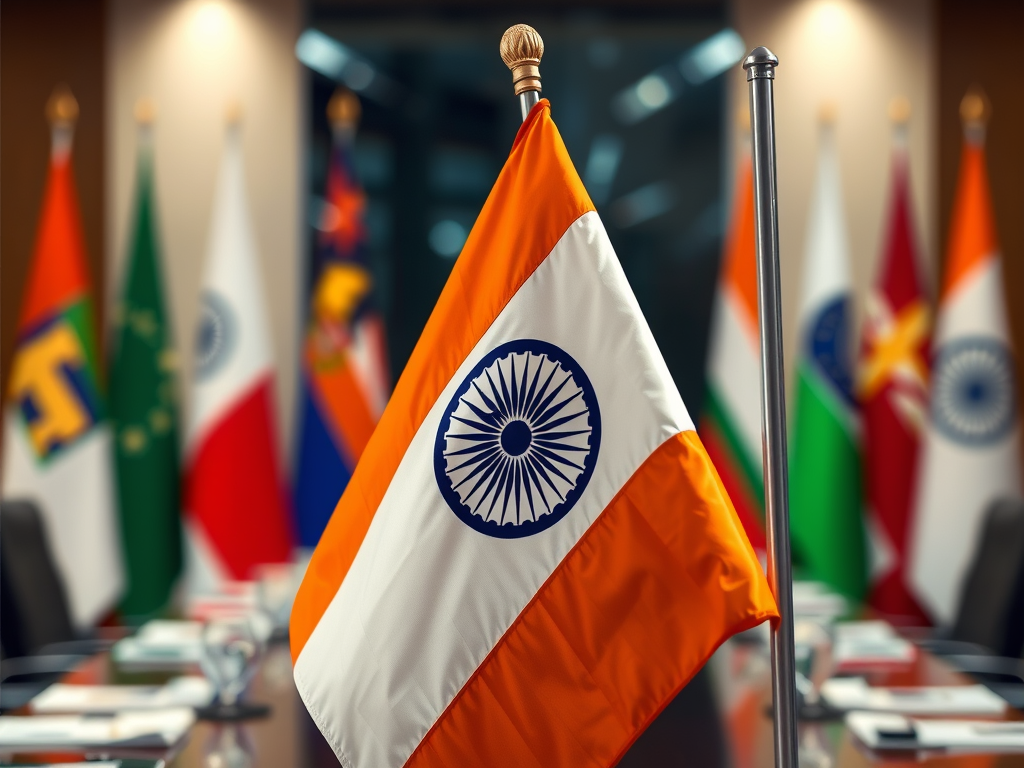
In May 2025, India’s External Affairs Minister, Dr. S. Jaishankar, embarked on a series of high-profile diplomatic missions across Europe, the Middle East, and South Asia. These engagements underscore India’s evolving foreign policy, emphasizing strategic partnerships, counterterrorism efforts, and regional stability. This blog delves into the key aspects of Jaishankar’s recent activities and their implications for India’s global standing.
Strengthening European Ties
Netherlands: Advancing Strategic Partnerships
From May 19–20, Jaishankar visited the Netherlands, marking a significant step in enhancing bilateral relations. Discussions with Dutch leadership focused on deepening cooperation in trade, defense, digital technologies, and green energy. The visit culminated in a strategic dialogue, reinforcing India’s commitment to a multipolar world order and fostering robust EU-India ties. India News Network+2Ministry of External Affairs+2Instagram+2India News Network@EconomicTimes+1India News Network+1
Denmark: Green Strategic Partnership
On May 20–21, Jaishankar’s visit to Denmark highlighted the growing Green Strategic Partnership between the two nations. Meetings with Prime Minister Mette Frederiksen emphasized collaborative efforts in combating terrorism and addressing regional and international developments of mutual interest. Ministry of External Affairs+3Ministry of External Affairs+3India News Network+3
Middle East Engagements
Qatar: Strengthening Bilateral Cooperation
In early 2025, Jaishankar met with Qatari leadership to review and enhance bilateral cooperation across political, trade, investment, energy, security, cultural, and people-to-people ties. This engagement underscores India’s strategic outreach to the Middle East, focusing on mutual interests and regional stability. financesaathi.com+2Business Standard+2Wikipedia+2Wikipedia
South Asian Diplomacy
Pakistan: Reaffirming Bilateral Dialogue
Amidst heightened tensions following a terrorist attack in Pahalgam, Jaishankar reaffirmed India’s stance on dealing with Pakistan purely through bilateral channels. He emphasized India’s zero-tolerance policy towards terrorism and rejected any form of nuclear blackmail. This approach underscores India’s commitment to direct engagement and regional peace. @EconomicTimes+6The Times of India+6@EconomicTimes+6@EconomicTimes+1The Times of India+1
Taliban: Initiating Dialogue
On May 15, Jaishankar held a telephone conversation with Taliban’s acting Foreign Minister Amir Khan Muttaqi, marking the first ministerial-level contact since the Taliban’s return to power. The discussion focused on strengthening bilateral relations, trade, and enhancing diplomatic ties, reflecting India’s pragmatic approach to regional dynamics. The Diplomat+1Al Jazeera+1
Global Initiatives
Raisina Dialogue 2025: Promoting Multipolarity
At the Raisina Dialogue in New Delhi, Jaishankar engaged with leaders from Sweden, Ireland, and Ghana to discuss international relations, enhance EU ties, and explore South-South cooperation. These interactions underscore India’s role in promoting a multipolar global order and fostering diverse international partnerships. Devdiscourse@EconomicTimes+1Devdiscourse+1
Implications for India
Enhanced Global Standing
Jaishankar’s diplomatic engagements reflect India’s proactive foreign policy, aiming to strengthen ties with key global players and regional neighbors. These efforts enhance India’s influence in shaping global and regional security architectures.
Counterterrorism Commitments
Through direct engagements and strategic partnerships, India underscores its commitment to combating terrorism and promoting regional stability. Jaishankar’s firm stance on dealing with Pakistan bilaterally and initiating dialogue with the Taliban highlights India’s nuanced approach to complex regional issues.@EconomicTimes+4The Times of India+4NewsX World+4Al Jazeera+3The Times of India+3@EconomicTimes+3
Promotion of Multipolarity
By engaging with diverse nations and advocating for a multipolar world order, Jaishankar positions India as a key player in shaping global governance structures. These diplomatic efforts align with India’s broader vision of fostering inclusive and balanced international relations.
Conclusion
Dr. S. Jaishankar’s recent diplomatic engagements underscore India’s strategic approach to foreign policy, emphasizing direct dialogue, counterterrorism efforts, and the promotion of a multipolar global order. Through these initiatives, India seeks to enhance its global standing, address regional challenges, and contribute to a stable and inclusive international community.
The information provided in this blog is intended for general informational purposes only and reflects publicly available data and news as of May 2025. While efforts have been made to ensure accuracy and reliability, the political and diplomatic landscape is dynamic and subject to change. Readers are advised to consult official government sources or trusted news outlets for the most current and detailed information regarding India’s foreign relations and diplomatic activities.


 World Market Trends
Leave a comment