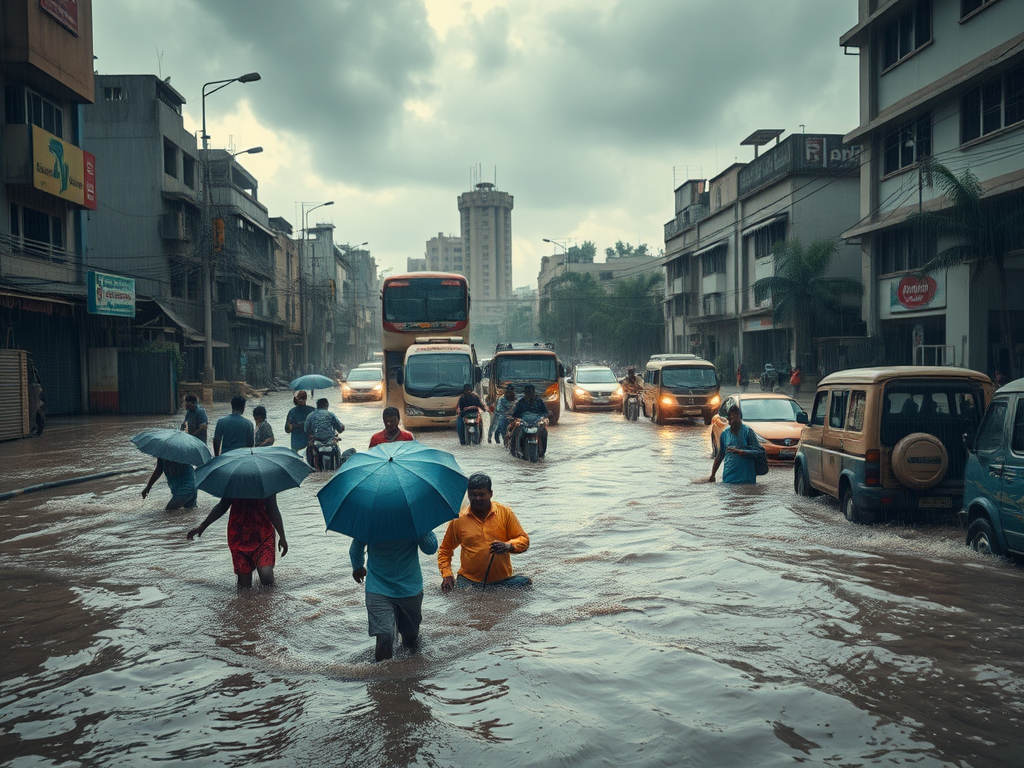
Every year, the arrival of the monsoon in India brings relief from scorching summers, but for urban dwellers, it often means battling relentless flooding, traffic chaos, and infrastructure breakdowns. Urban flooding during the monsoon season has become an increasingly critical issue, impacting millions of lives and hindering economic activity. Understanding why urban flooding occurs and exploring viable solutions is essential to mitigating these annual disasters.
Understanding Urban Flooding: Why Does It Happen?
Urban flooding primarily occurs due to rapid urbanization, inadequate drainage systems, and poor city planning. Cities like Mumbai, Bengaluru, Chennai, and Hyderabad frequently find themselves grappling with these issues, turning every monsoon into a crisis. Here are the primary reasons:
1. Inadequate Drainage Systems
Most Indian cities have outdated drainage systems originally built during colonial times, unsuitable for current urban demands. Overburdened and poorly maintained drainage leads to severe waterlogging and flooding.
2. Rapid Urbanization and Concrete Jungles
As cities expand rapidly, green spaces disappear, replaced by concrete buildings and roads. The lack of permeable surfaces prevents rainwater from naturally seeping into the ground, exacerbating flooding.
3. Encroachment of Water Bodies
Lakes, wetlands, and rivers that naturally help manage excess rainwater have been steadily encroached upon or filled in for construction, drastically reducing natural flood-control measures.
4. Climate Change Effects
Increasingly erratic rainfall patterns and intense rain spells, driven by climate change, overwhelm city infrastructure, which is typically ill-prepared for such extremes.
Impact of Urban Flooding on Indian Cities
Urban flooding brings severe consequences that extend beyond immediate discomfort:
- Health Risks: Flooding increases the spread of waterborne diseases such as dengue, cholera, and typhoid.
- Economic Losses: Disruption to businesses, transportation, and trade results in massive economic losses each year.
- Infrastructure Damage: Repeated flooding weakens roads, bridges, and buildings, significantly increasing maintenance and rebuilding costs.
- Social Disruption: Displacement of families, disruption in education, and reduced productivity are common during severe floods.
Case Studies: Monsoon Flooding in Major Indian Cities
- Mumbai (2024): Severe flooding paralyzed the city, affecting daily commuters and halting businesses, with economic losses amounting to hundreds of crores.
- Bengaluru (2025): Recent flooding highlighted the vulnerability of rapidly developing areas, especially the IT corridors, with extensive damage to roads and residential areas.
- Chennai (2021): Flooding due to torrential rains led to substantial displacement of people and showcased inadequacies in emergency response mechanisms.
Potential Solutions: How Can Indian Cities Combat Urban Flooding?
Addressing urban flooding requires comprehensive planning and multi-faceted solutions:
1. Revamping Urban Infrastructure
Cities need a complete overhaul of drainage systems to accommodate current population densities and future growth projections. Modern drainage systems must be robust, regularly maintained, and strategically expanded.
2. Sustainable Urban Planning
Adopting sustainable urban planning practices, including building permeable roads, rain gardens, and maintaining urban wetlands, can significantly enhance water absorption and flood management.
3. Restoration of Natural Water Bodies
Reviving lakes, rivers, and wetlands is crucial. Natural water bodies act as buffers, absorbing excess rainwater and reducing flooding risks.
4. Implementation of Rainwater Harvesting
Mandating rainwater harvesting systems in urban buildings can significantly reduce run-off, decrease flooding risk, and contribute to groundwater recharge.
5. Improved Disaster Management Systems
Enhancing forecasting technologies, early warning systems, and emergency response infrastructure can significantly mitigate the impacts of urban flooding.
Government Initiatives and Policies
The Indian government has taken steps such as the Smart Cities Mission and the Atal Mission for Rejuvenation and Urban Transformation (AMRUT) to address infrastructure gaps and urban flooding issues. However, consistent implementation and public engagement remain critical challenges.
Conclusion: A Call to Action
Urban flooding during the monsoon season is a severe yet solvable issue. With careful urban planning, sustainable infrastructure investments, community engagement, and robust governmental policies, Indian cities can effectively manage and significantly mitigate monsoon woes. The future of urban resilience against flooding depends heavily on proactive measures, forward-thinking governance, and public awareness and participation.


 World Market Trends
Leave a comment